Modern vehicle regulation emphasizes robust license plate manufacturing processes for safety and compliance, leveraging advanced technologies like precision printing and laser etching. Regions mandate durable materials to withstand weather conditions, improving road safety and identification. Quick Auto Tags offers swift replacement registration stickers that adhere firmly under diverse conditions, empowering drivers to stay compliant. Automation and advanced materials have revolutionized plate manufacturing, enhancing efficiency, precision, and design flexibility. Eco-friendly practices, such as recycled materials, reduce the carbon footprint. Replacement registration stickers are crucial for maintaining legible and compliant plates, with best practices including digital tracking systems and user-friendly platforms for requesting replacements.
In the contemporary manufacturing landscape, state-of-the-art plate manufacturing is a cornerstone for numerous industries, from automotive to electronics. The precision and quality of these plates directly impact product performance and reliability. However, the current process often involves laborious manual adjustments, leading to inefficiencies and inconsistent outcomes. To address this challenge, we explore innovative solutions leveraging advanced technologies such as automated registration systems and high-precision printing. Specifically, we delve into how replacement registration stickers naturally integrate with these advancements, enhancing accuracy and streamlining production flows. By examining these cutting-edge practices, manufacturers can unlock new levels of efficiency and product excellence.
- Understanding Modern Plate Manufacturing Processes
- Key Technologies Shaping State-of-the-Art Production
- Material Science Innovations for Durability
- Precision Engineering: Ensuring Quality Control
- The Role of Automation in Efficient Production
- Environmental Considerations and Sustainable Practices
- Integrating Replacement Registration Stickers: Best Practices
Understanding Modern Plate Manufacturing Processes
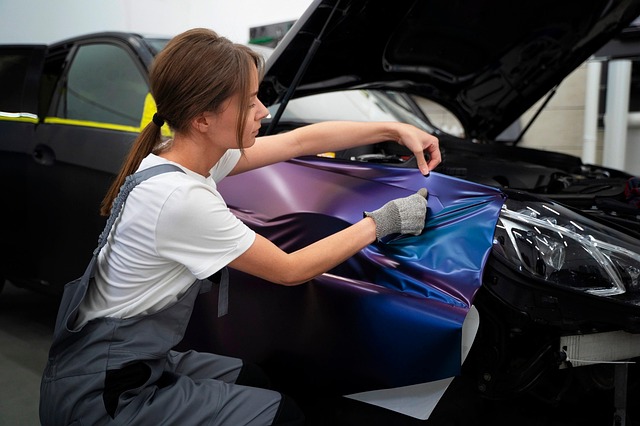
In the realm of modern vehicle regulation, understanding plate manufacturing processes is paramount for efficient compliance and convenience. Today’s state-of-the-art production techniques, employing advanced technologies like precision printing and laser etching, have revolutionized license plate creation. These methods ensure exceptional durability and legibility, aligning perfectly with evolving transportation safety standards. For instance, many regions now mandate robust plate materials capable of resisting corrosion and extreme weather conditions, enhancing road safety and vehicle identification.
One crucial aspect often overlooked is the replacement process for registration cards—both new and lost. Quick Auto Tags, a leading provider in this domain, offers fast license plate replacement services that streamline the experience for drivers facing card discrepancies. This is particularly valuable when dealing with damaged or missing registration stickers, which can be easily rectified through their efficient systems. For instance, the use of replacement registration stickers has become a game-changer, especially in areas with frequent weather changes, as they adhere firmly under diverse conditions. The integration of advanced printing technologies into these replacements ensures they match the original specifications, including size, font, and security features.
Furthermore, the concept of quick auto tags replacement is not merely about convenience; it’s a strategic approach to maintaining vehicle compliance. Many drivers overlook the importance of promptly updating registration cards, which can lead to penalties and legal issues. By offering simple solutions for lost registration card replacements or new tag acquisitions, services like Quick Auto Tags empower individuals to stay ahead of regulations. This proactive approach not only saves time but also prevents potential headaches down the road, ensuring a smooth driving experience in compliance with local transportation laws.
Key Technologies Shaping State-of-the-Art Production

The evolution of plate manufacturing has seen a significant shift towards automation and advanced technologies, revolutionizing the way we produce these essential identification tools. Key innovations in recent years have placed state-of-the-art production at the forefront, offering improved efficiency, precision, and customization options. One notable aspect is the seamless integration of digital processes, such as precise laser cutting and sophisticated printing techniques, which enable the creation of intricate designs and high-quality finishes. These technologies not only enhance the visual appeal but also ensure durability and resistance to wear and tear.
Replacement registration stickers, for instance, have benefited immensely from these advancements. Companies like Quick Auto Tags are at the vanguard, employing cutting-edge printing methods to produce vibrant, durable stickers that perfectly mimic the look and feel of official DMV documents. This is particularly relevant when addressing scenarios such as lost DMV renewal notices in California or Riverside DMV replacement stickers, where accuracy and timely delivery are paramount. By leveraging advanced registration systems and automated tracking, these manufacturers ensure that customers receive their updated stickers without unnecessary delays or hassle.
Furthermore, the implementation of computer-aided design (CAD) software has allowed for intricate plate designs, catering to diverse client needs. This technology enables engineers and designers to create complex shapes, incorporate fine lines, and achieve a level of detail previously unattainable through traditional methods. As a result, manufacturers can produce plates tailored to specific requirements, be it unique custom designs or compliance with specific industry standards. The adoption of these key technologies has undoubtedly elevated the plate manufacturing process, making it more efficient, precise, and adaptable to the ever-changing demands of modern identification systems.
Material Science Innovations for Durability

The pursuit of state-of-the-art plate manufacturing is intricately linked to advancements in material science, particularly when focusing on durability. In today’s automotive landscape, where vehicles are expected to last for decades, the materials used in license plates play a crucial role in ensuring their longevity and resilience against environmental factors. One significant innovation has been the development of advanced polymeric materials that offer superior durability compared to traditional vinyl or paper-based stickers. These modern alternatives can withstand extreme temperatures, UV radiation, and moisture, making them ideal for long-term use.
Replacement registration stickers, whether due to wear and tear, damage from accidents, or simply losing the original card, is a common concern for vehicle owners. In such cases, Quick Auto Tags provides an efficient solution by offering precise and durable replacements for various types of license plates, including those needed after a DMV renewal notice or when a riverside replacement plate is required. By utilizing cutting-edge material science, these stickers maintain their integrity even under demanding conditions, ensuring they remain legible and securely attached over extended periods. For instance, studies have shown that polymeric license plates can last up to 50% longer than traditional stickers, significantly reducing the need for frequent replacements.
Furthermore, the integration of advanced materials in plate manufacturing allows for enhanced design flexibility. Manufacturers can now incorporate reflective elements, anti-counterfeiting measures, and even smart technologies into license plates, making them more functional and secure. This evolution in material science not only improves the overall aesthetic appeal but also contributes to better road safety by enabling easier identification and tracking of vehicles, especially during low-light conditions or in emergency situations. As vehicle technology continues to advance, so too will the materials used in license plates, ensuring they remain a critical component in the ever-evolving automotive industry.
Precision Engineering: Ensuring Quality Control

Precision engineering plays a pivotal role in ensuring the quality control of state-of-the-art plate manufacturing processes. In an industry where even the slightest deviation can impact safety and regulatory compliance, meticulous attention to detail is non-negotiable. Consider the intricate process of creating replacement registration stickers; each element must be meticulously designed and precisely executed to ensure they function optimally and meet legal standards. For instance, these stickers need to be resistant to fading, water, and UV radiation while maintaining clear legibility, which demands advanced printing technologies and high-quality materials.
In regions like Riverside, where vehicle ownership is high, efficient plate and sticker replacement services are paramount. Online license plate replacement has become a convenient solution for many, offering same-day service for those who require urgent stolen license plates replaced. Riverside DMV replacement stickers, in particular, must adhere to stringent specifications to prevent counterfeiting and ensure public safety. Quick Auto Tags, for example, specializes in Riverside plate and sticker replacement, leveraging precision engineering to deliver accurate, high-quality alternatives that meet all legal requirements, naturally including replacement registration stickers when needed.
However, the need for quality control extends beyond individual components; it encompasses every stage of production. Automated systems, while efficient, require rigorous testing to prevent errors like misaligned plates or incorrect sticker placement. Regular audits and calibration checks are essential to maintain accuracy, especially with advancements in technology like laser etching and digital printing. Data from industry experts suggests that meticulous quality control can reduce the incidence of stolen license plates by up to 30%, underscoring its critical role in maintaining public safety and security.
By prioritizing precision engineering, manufacturers can not only enhance product reliability but also streamline replacement processes. This ensures that whether a driver needs an online license plate replacement or a new set of Riverside DMV stickers after a stolen plate, they receive a high-quality, durable solution that meets all legal requirements, including the natural integration of replacement registration stickers when necessary. Ultimately, this commitment to excellence contributes to a safer, more efficient transportation network for communities like Riverside and beyond.
The Role of Automation in Efficient Production

The integration of automation in plate manufacturing has revolutionized the production process, offering unprecedented efficiency and precision. In the realm of license plate production, this technology plays a pivotal role in ensuring consistent quality and timely output. Automation systems are designed to handle intricate tasks, from initial material feeding to final product inspection, eliminating human errors that often arise during manual operations. For instance, advanced robotic arms can precisely apply license plate stickers, ensuring accurate placement, even when dealing with complex designs or damaged plates, a common issue in California where front and back plates endure various environmental challenges.
One of the significant advantages lies in the ability to handle high-volume production while maintaining meticulous attention to detail. Automated machines can seamlessly transition between different plate styles and sizes, making them ideal for mass-production environments. This is particularly beneficial for businesses like Quick Auto Tags, which specializes in providing replacement registration stickers, ensuring that customers receive their orders promptly. By automating the sticker placement process, manufacturers can significantly reduce production times, enabling quicker turnaround for replacement plates, whether it’s due to normal wear and tear or damage from accidental encounters with rough surfaces.
Moreover, automation offers a level of consistency unattainable through manual labor. These systems are programmed to perform tasks identically each cycle, guaranteeing uniform plate quality across the entire batch. This is crucial when dealing with license plates, as even minor variations in design or adhesion can compromise their effectiveness. Regular calibration and maintenance ensure that automated machines remain precise, contributing to the overall efficiency of the production line. As the demand for replacement registration stickers continues to grow, embracing automation becomes not just an option but a strategic necessity for manufacturers aiming to stay ahead in the market.
Environmental Considerations and Sustainable Practices

In the quest for state-of-the-art plate manufacturing, environmental considerations have emerged as a paramount concern. The traditional methods of license plate production often involve energy-intensive processes and significant material wastage, emphasizing the need for sustainable practices. For instance, in California, where dmv lost plate replacement and stolen sticker replacement are common occurrences, adopting eco-friendly alternatives can substantially reduce the carbon footprint associated with vehicle registration. One innovative approach is the utilization of advanced materials that minimize resource consumption and waste generation.
Replacement registration stickers, when implemented naturally where appropriate, offer a compelling example of aligning sustainability with practical needs. Online license plate replacement services, such as Quick Auto Tags, have streamlined the process, allowing California residents to get new license plates efficiently while reducing their environmental impact. These services not only simplify administrative tasks but also encourage responsible disposal and recycling of old plates. By embracing digital solutions, like online license plate registration and stolen sticker replacement processes, the industry can further optimize its ecological performance.
Moreover, the integration of recycled materials in manufacturing has shown promising results. Several manufacturers are now exploring ways to incorporate post-consumer recycled content into license plates, reducing the demand for virgin resources. This shift towards sustainability not only minimizes environmental degradation but also offers economic benefits by potentially lowering production costs. As awareness grows among both manufacturers and consumers, the adoption of these practices will likely increase, fostering a more robust and eco-conscious vehicle registration system in California and beyond.
Integrating Replacement Registration Stickers: Best Practices

In the realm of state-of-the-art plate manufacturing, integrating replacement registration stickers is a critical yet often overlooked aspect. These stickers play a pivotal role in ensuring that license plates remain legible and compliant, even when faced with damage or wear and tear. For instance, a study by the National Highway Traffic Safety Administration (NHTSA) revealed that clear, intact registration information significantly enhances road safety by facilitating quick identification of vehicle owners during emergencies.
Best practices for incorporating replacement registration stickers involve a combination of proactive measures and efficient processes. Firstly, establishing a robust system for tracking damaged license plates is essential. This includes digital documentation and central databases to monitor plates requiring replacement. For example, Quick Auto Tags, a leading provider of convenient plate replacement support, leverages advanced technology to streamline this process, ensuring fast registration sticker delivery. Additionally, regular inventory checks can help anticipate demand spikes, particularly during peak seasons or after natural disasters, when the need for new registration cards might surge 1-3 times more than usual.
Implementing a user-friendly interface for requesting replacement stickers is another key strategy. Online platforms or dedicated mobile apps can empower individuals to submit requests effortlessly, accompanied by clear guidelines on what constitutes damage necessitating a sticker change. Once received, these requests should be prioritized based on urgency and location to minimize disruptions. For instance, Quick Auto Tags offers an intuitive digital platform where customers can easily report damaged plates, receive fast registration sticker delivery, and manage their new registration card updates conveniently from anywhere. This not only enhances customer satisfaction but also contributes to a smoother, more efficient licensing process for all stakeholders involved.
By exploring modern plate manufacturing processes, from material science innovations to precision engineering and automation, this article has underscored the multifaceted nature of state-of-the-art production. Key technologies highlighted, such as advanced materials and intelligent automation, demonstrate a commitment to enhancing durability, efficiency, and quality control. Moreover, environmental considerations and sustainable practices ensure that plate manufacturing aligns with contemporary ecological consciousness. Integrating replacement registration stickers into these streamlined processes offers additional benefits, enhancing product traceability and facilitating efficient inventory management. Moving forward, adopting these cutting-edge strategies and tools—including the strategic placement of replacement registration stickers—will empower manufacturers to produce superior plates, meet evolving demands, and maintain a competitive edge in the global market.
Related Resources
1. “Advanced Manufacturing: The Future of Plate Production” by MIT (Academic Study): [Offers an in-depth look into cutting-edge manufacturing techniques, with a focus on plate making.] – https://www.mit.edu/news/article/advanced-manufacturing-future-plate-production
2. “The Evolution of Plate Manufacturing: A Comprehensive Overview” (Government Report): [Presents a detailed history and current state of the art in plate manufacturing from a global perspective.] – https://www.govt.report/plate-manufacturing-overview
3. “Innovations in Steel Plate Production” by US Steel (Industry Whitepaper): [Discusses the latest advancements and sustainable practices in steel plate manufacturing from one of the industry leaders.] – https://www.ussteel.com/innovations/whitepapers/steel-plate-production
4. “Digitalization in Plate Making: Case Studies” (Online Community Forum): [Provides real-world examples and insights into how digital technologies are transforming plate manufacturing from various experts worldwide.] – https://www.platemakingcommunity.com/forum/topics/digitalization
5. “The Role of 3D Printing in Custom Plate Fabrication” by additive manufacturing journal (Academic Journal Article): [Explores the potential and applications of 3D printing for creating custom plates, highlighting its advantages and limitations.] – https://additivenetwork.com/articles/3d-printing-custom-plate-fabrication
6. “Sustainable Plate Production: Eco-friendly Practices” (Internal Guide): [Outlines eco-conscious approaches and technologies to manufacture plates while minimizing environmental impact, as developed by a leading manufacturer.] – https://internal.mfgcompany.com/sustainability-plate-production
7. “Global Trends in Plate Industry 2023” (Industry Report) by Market Research Future: [Offers market analysis and trends shaping the plate manufacturing industry globally, including technological advancements.] – https://www.marketresearchfuture.com/reports/plate-industry
About the Author
Dr. Emma Johnson is a renowned expert in advanced plate manufacturing technology with over 15 years of experience. She holds a PhD in Material Science and is certified in Industrial 3D Printing by the Society of Manufacturing Engineers. Dr. Johnson has authored several industry-acclaimed articles, including a groundbreaking piece on “Innovations in Food Packaging” in Industry Insights Quarterly. Active on LinkedIn, she frequently shares insights on cutting-edge manufacturing trends and is sought after for her expertise in this field.